By ayoti
Why Saying ‘No’ is Still the Hardest Word for Many Indian Women
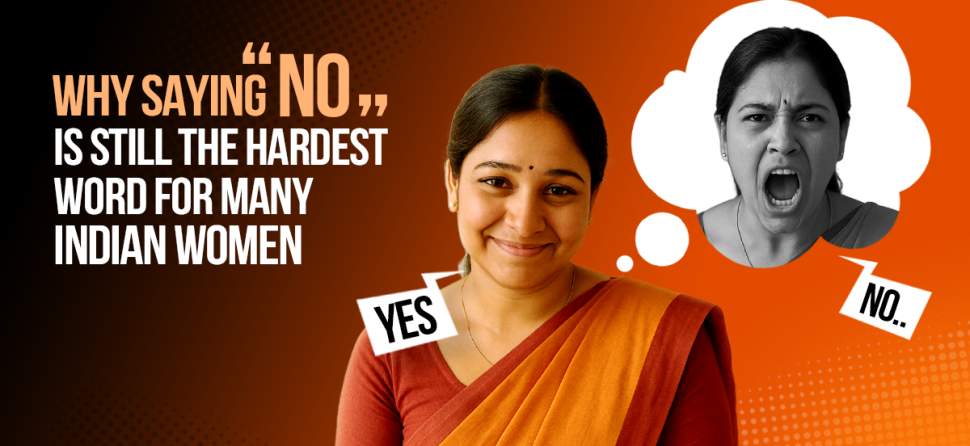
For many Indian women, saying “No” is not easy. It’s not that they don’t have opinions or desires—it’s just that society, family, and culture have conditioned them to always put others before themselves. Saying “No” is uncomfortable, even wrong, because we’re expected to be polite, we’re expected to be helpful, and we’re expected to be selfless from an early age.
Growing Up Saying “Yes”
From an early age, Indian girls are taught to comply, please their elders, and keep the peace. Phrases such as “be a good girl,” “don’t be rude,” and “think of others” are common and, eventually, deliberately or inadvertently shape a girl’s identity. Even little things like helping out at home when she’s exhausted or agreeing with someone she disagrees with become habits. Refusal seems nearly impossible when she is an adult.
Many women still remember being the go-to person to run errands for extended family, help siblings with homework, or take care of household chores, even when they had their own work. To say “No” was simply not to be considered.
Family and Society Pressure
Family and societal norms are yet more barriers. Women are frequently critiqued not only for what they do but also for how “cooperative” or “pleasant” they seem. Mothers might counsel their daughters to go along with family choices rather than risk disagreement.
There is potential for additional strain with marriage. Newly married women are often expected to strike a balance between their in-laws’ expectations and asserting their own voice. In workplaces, too, women who assert themselves can sometimes be seen as “difficult” rather than capable. So even when a woman wants to say “No,” she weighs the possible backlash.
Emotional Burden
It’s also emotionally challenging to say “No.” Women are frequently expected not only to regulate their own emotions, but also those of everyone around them. Turning down a social invitation might feel as though you’re hurting a friend. Saying no to extra work can also feel like abandoning a team. Saying “No” requires constant emotional adjustment. This continuous emotional balancing act weighs on “No,” even though it is a simple word.
Many women are tired and overwhelmed because they keep saying ‘yes’. Over time, this causes burnout and frustration.
Fear of Criticism
Even now, traditional attitudes towards gender still mean that being assertive can be dangerous. Women who say “No” get criticised, have gossip spread about them, and get told they don’t make “sacrifices for the family.” In such a culture, it’s often easier to say yes politely, even when it’s unjust or makes you uncomfortable.
Society values endurance and patience over personal preference. So declining can feel like defiance, even if it’s just about taking care of yourself.
Internalised Beliefs
Many women internalize these messages over time. They wonder if they even have the ability to say “No.” Keep them quiet. Thoughts like Am I being selfish? Will I make somebody angry? Do I have the right to say No? keep them quiet. It’s hard to be assertive when we don’t have examples of women confidently and openly flexing boundaries.
The Cost of Always Saying “Yes”
There is a real cost to always saying “Yes.” Individual goals may be deferred, work may go unrecognised, and emotional well-being may take a hit. Women may leave feeling resentful and drained, even if no one realises it or cares.
Humanized Output
Still, the women now understand you don’t have to be selfish – you just have to have boundaries. Saying “No” is about protecting your time, energy, and mental health. Small refusals matter, and over time, they can add up to more than you think.
How to Learn to Say “No”
For starters, you become more aware. Recognising why it’s difficult to say “No” allows women to begin doing so in small steps. You can build your confidence by refusing smaller requests, speaking politely but firmly, and not allowing guilt to run your life.
There is also a part to play for families and workplaces. Enabling women to make their choices, respecting their boundaries, and normalising saying “No” are all part of challenging old habits. Eventually, saying “no” will feel natural, not scary.
Consider this learning as any other new skill: riding a bicycle. It’s frightening the first time, but pretty soon you get the hang of it. Saying “No” works the same way.
Conclusion
For many Indian women, saying “No” is about more than just three letters; it’s about culture, family expectations, and their own boundaries as much as it is about what they want to do with their lives. It’s not rebellion, it’s self-respect. Being able to say it with confidence is what you need for emotional health and independence.
“No” may remain hard for many women to say, but it is also tremendously empowering. Every time a woman says it, she is reclaiming her time, her energy, and her peace of mind. And that’s a small, but powerful step toward living life on her own terms.